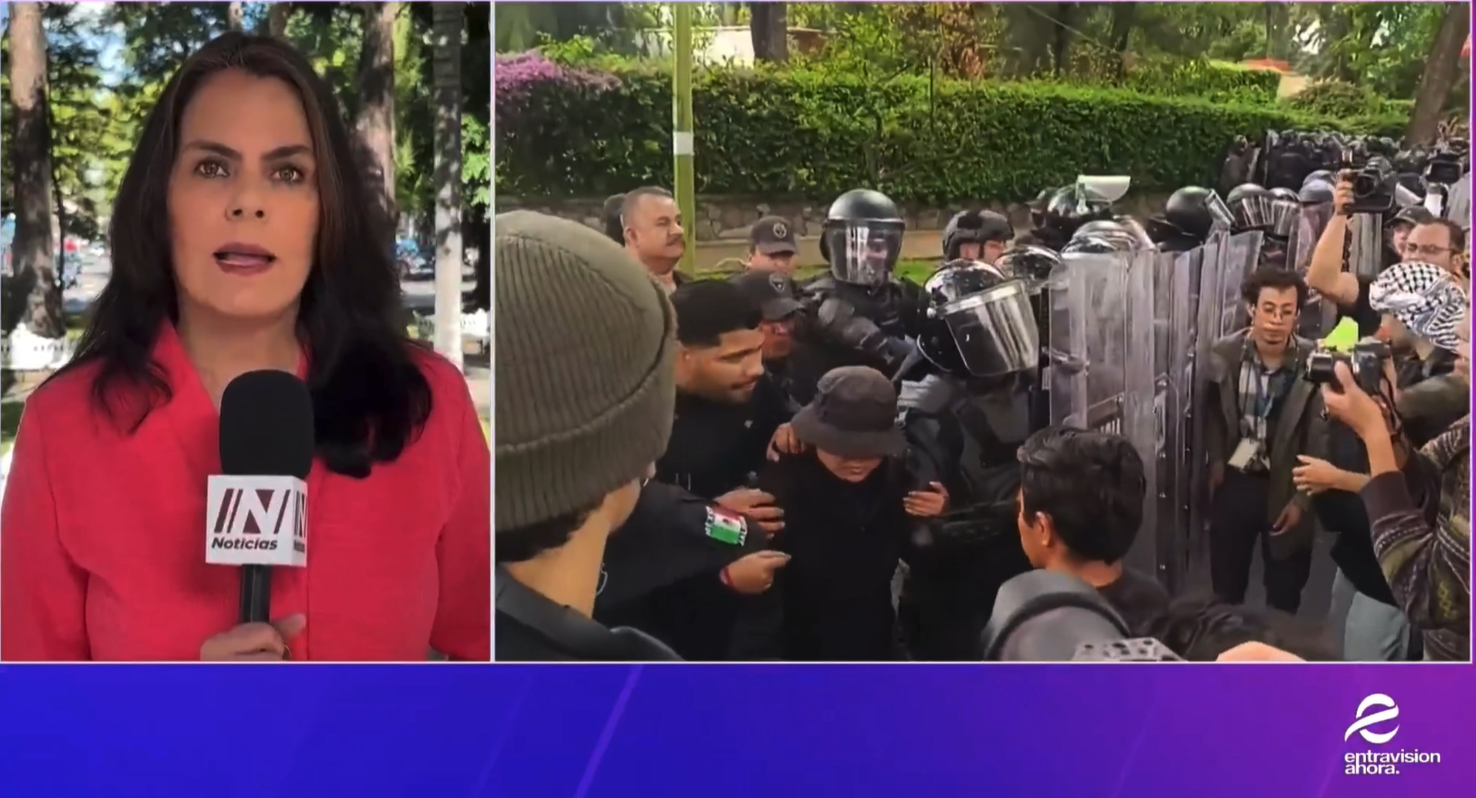
Desde Guadalajara, Jalisco, México, familiares de personas detenidas tras la manifestación frente a Casa Jalisco, relatan lo que saben sobre los arrestos y señalan posibles irregularidades.
Mientras las autoridades presentan su versión de los hechos, las familias piden respuestas sobre la situación de sus seres queridos.
From Guadalajara, Jalisco, Mexico, relatives of people arrested after the demonstration outside Casa Jalisco share what they know about the arrests and raise concerns about possible irregularities.
As authorities present their account of the events, families seek answers about the situation of their loved ones.
En Guadalajara, Jalisco, México, la manifestación del domingo para exigir agua libre de contaminantes terminó en medio de disturbios y detenciones frente a Casa Jalisco.
Mientras comienzan a conocerse más detalles, persisten interrogantes sobre lo ocurrido y la actuación de las autoridades. Te presentamos los hechos que se conocen hasta ahora.
In Guadalajara, Jalisco, Mexico, Sunday’s demonstration demanding water free of contaminants ended amid unrest and arrests outside Casa Jalisco. As more details begin to emerge, questions remain about what happened and the authorities’ response. We report on what is known so far.
Guadalajara celebró una de sus tradiciones gastronómicas más representativas: el Día Municipal de la Torta Ahogada.
En el Centro Histórico de la capital de Jalisco se repartieron 26 mil tortas para celebrar un platillo que se ha convertido en parte de la identidad tapatía y que hoy es reconocido dentro y fuera de México.
Birote, carne de puerco, frijoles, cebolla, limón y, como protagonista indiscutible, el picante: así se celebra una tradición que representa a Guadalajara y a su gente.
Una pieza informativa desde Jalisco, México.
Guadalajara celebrated one of its most iconic culinary traditions: Torta Ahogada Day.
In the historic center of Jalisco’s capital, 26,000 tortas ahogadas were served to celebrate a dish that has become part of Guadalajara’s identity and is now recognized both in Mexico and abroad.
Birote bread, pork, beans, onion, lime and, as the undeniable star, spicy sauce: a tradition that represents Guadalajara and its people.
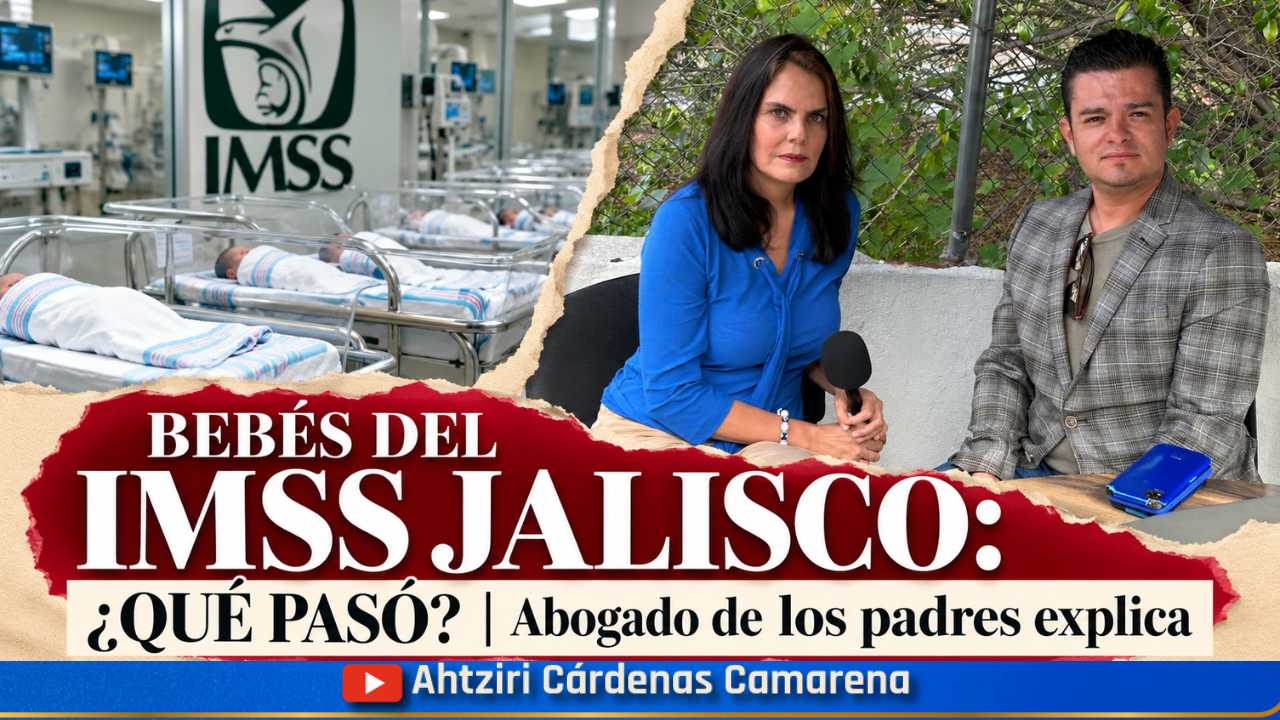
¿Qué está ocurriendo en el IMSS Jalisco? Padres de recién nacidos buscan respuestas después de la pérdida de sus pequeños, presutamente por una bacteria, y han recurrido a representación legal para conocer qué ocurrió. El abogado Augusto Acosta, quien representa a los padres de tres de estos casos, explica qué han encontrado hasta ahora, qué están solicitando y cuál es el avance de las investigaciones.
El caso permanece bajo investigación y serán las autoridades correspondientes las que deberán esclarecer lo ocurrido. Una entrevista desde Guadalajara, Jalisco, México.
What is happening at IMSS Jalisco? Parents of newborns are seeking answers after the loss of their babies and have turned to legal representation to determine what happened. Attorney Augusto Acosta, who represents the parents in three of these cases, explains what they have found so far, what they are requesting, and the progress of the investigations.
The case remains under investigation, and the appropriate authorities will have to determine what happened. A report from Guadalajara, Jalisco, Mexico.
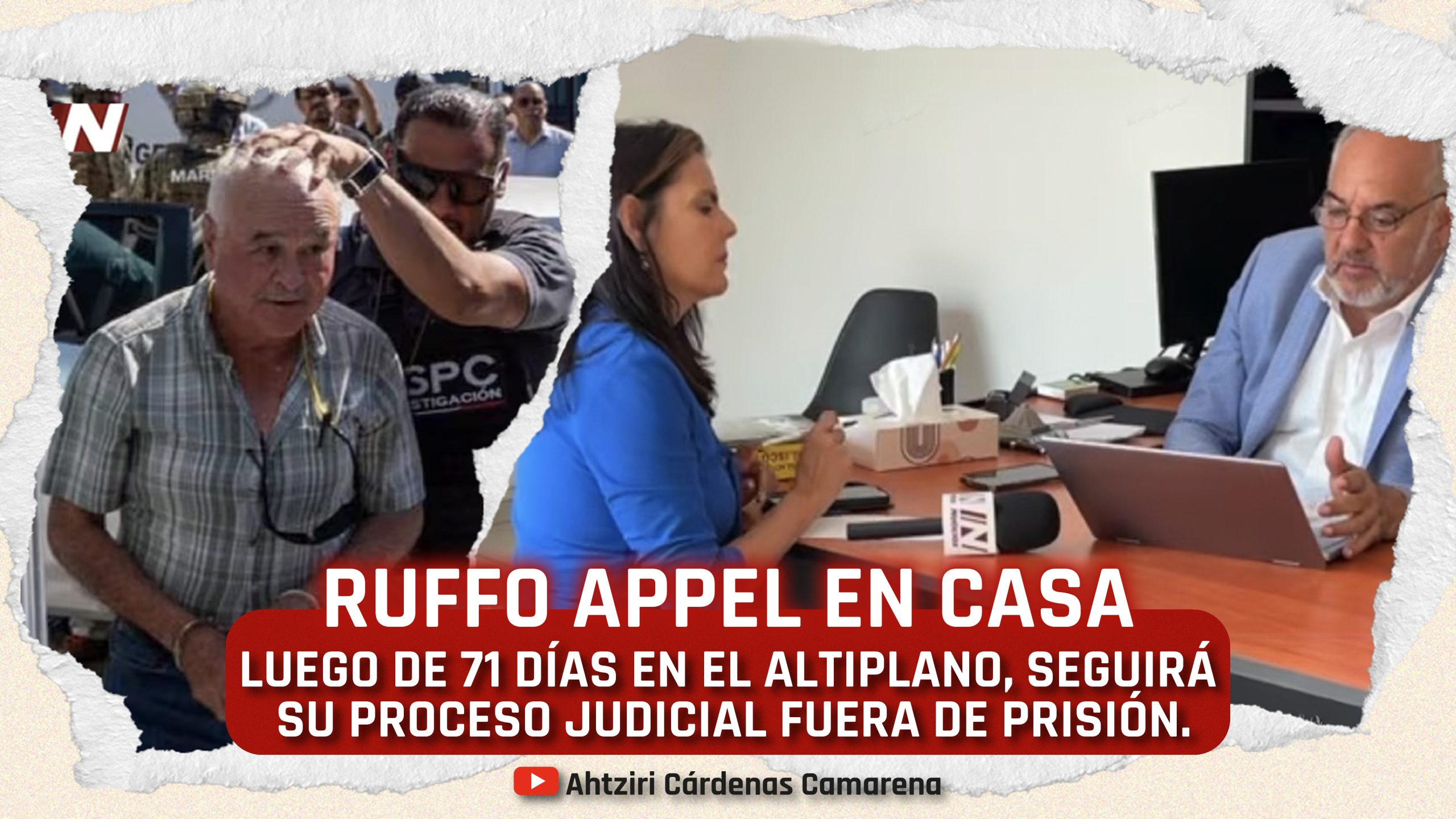
Ernesto Ruffo Appel, exgobernador de Baja California, dejará el penal federal del Altiplano para continuar su proceso en prisión domiciliaria, luego de que una jueza modificara la medida cautelar.
Ruffo, de 74 años, está vinculado a proceso por delincuencia organizada y delitos relacionados con hidrocarburos.
Su defensa ha cuestionado las investigaciones, mientras las autoridades también revisan posibles anomalías en operativos relacionados con combustible.
Información desde México.
Ernesto Ruffo Appel, former governor of Baja California, will leave Mexico’s Altiplano federal prison to continue his legal proceedings under house arrest after a judge modified his precautionary measure.
Ruffo, 74, remains under legal proceedings related to organized crime and hydrocarbons. His defense has questioned the investigations, while authorities are also reviewing possible irregularities in fuel-related operations.
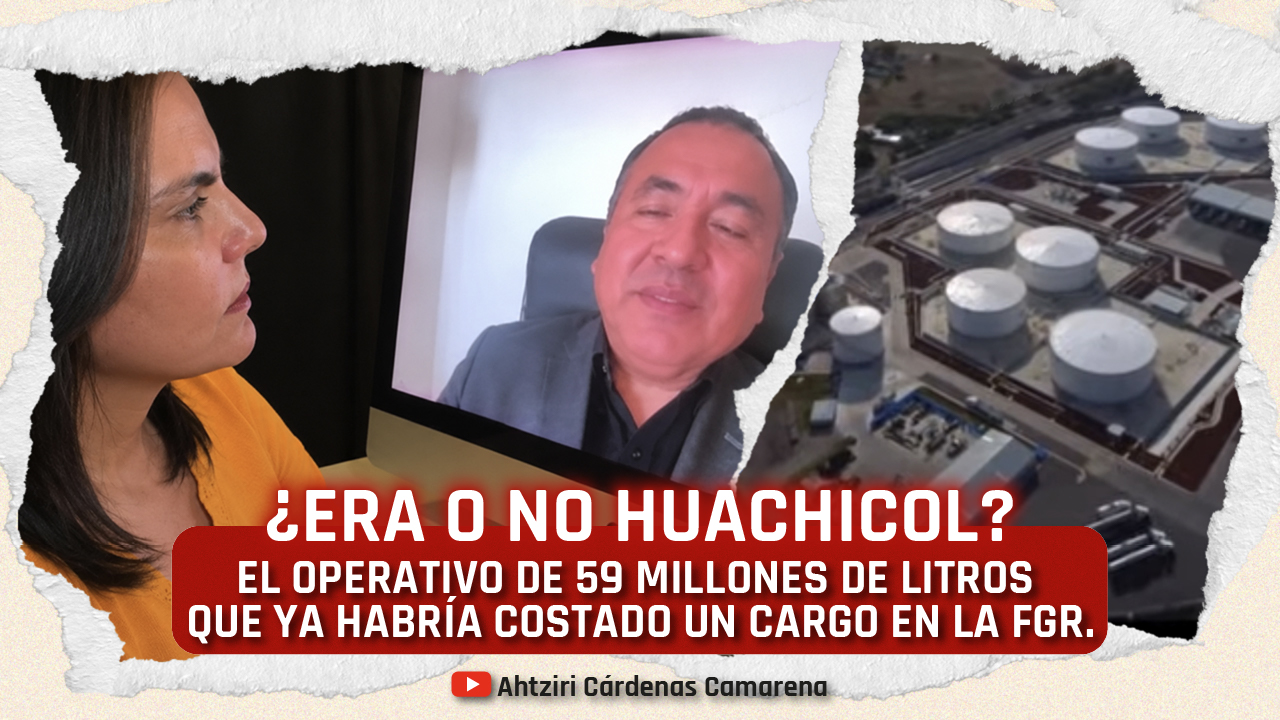
Esta pieza fue publicada antier, cuando el aseguramiento de 59 millones de litros de combustible en Guanajuato fue presentado, días antes antes, como uno de los mayores operativos contra el huachicol en México. Pero el caso dio un giro: ahora la FGR revisa si realmente se trataba de combustible ilegal y, en medio de las dudas sobre el operativo, el delegado de la Fiscalía en Guanajuato, Juan Francisco Vera Ayala, dejó el cargo.
¿Fue un posible error? ¿El operativo habría costado el puesto a un funcionario de la FGR? ¿Qué falta por acreditar sobre el combustible? Compartimos nuevamente esta pieza para entender el contexto de lo que hoy está bajo la lupa en México.
This piece was published the day before yesterday, just after the seizure of 59 million liters of fuel in Guanajuato—an operation hailed days earlier as one of the largest crackdowns on fuel theft in Mexico. However, the case took a turn: the Attorney General’s Office (FGR) is now verifying whether the fuel was actually illegal. Amidst doubts surrounding the operation, the FGR’s delegate in Guanajuato, Juan Francisco Vera Ayala, stepped down from his post.
Was it a mistake? Did the operation cost an FGR official their job? What remains to be proven regarding the fuel? We are sharing this piece again to provide context on the situation currently under scrutiny in Mexico.
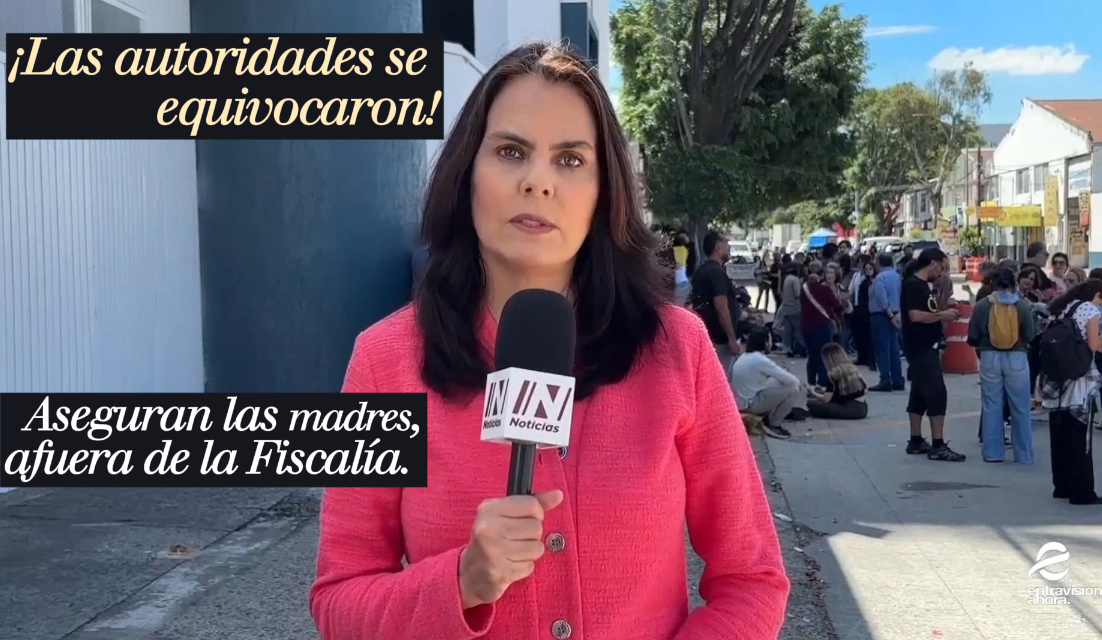
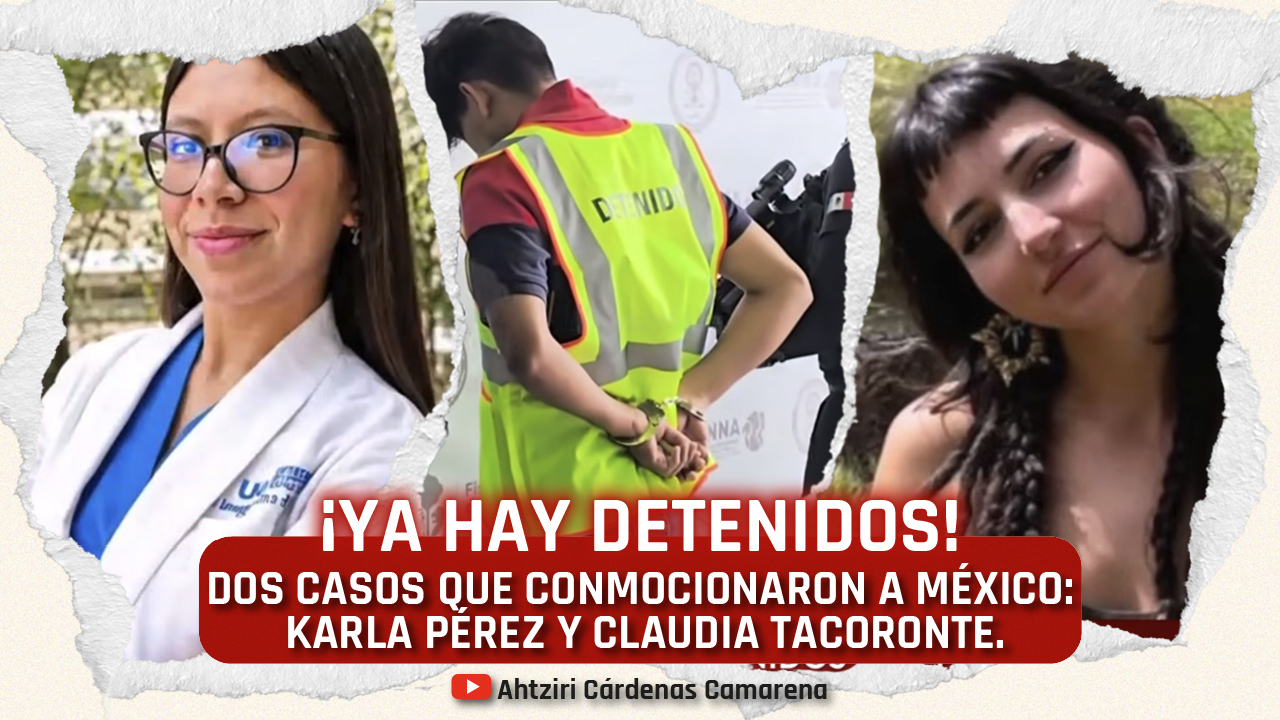
Dos casos que conmocionaron a México registran nuevas acciones de las autoridades. Desde Jalisco, los detalles de estas investigaciones y las recientes detenciones.
Two cases that deeply impacted Mexico have seen new developments involving authorities. Reporting from Jalisco on the investigations and recent arrests.
Hay tragedias que no solamente deberían provocar indignación. Deberían obligarnos a preguntar qué pudo hacerse antes para evitarlas.
El caso de Karla Pérez, de 22 años y estudiante de Medicina en Jalisco, es uno de ellos. Karla desapareció el 14 de septiembre y posteriormente fue localizada sin vida. La Fiscalía de Jalisco señala como presunto responsable a un joven de 23 años que habría acudido a prestarle un servicio de transporte privado solicitado mediante una plataforma, a bordo de una motocicleta.
Karla confió en una plataforma. Nunca imaginó que terminaría subiéndose a una motocicleta conducida por quien, presuntamente, terminaría arrebatándole la vida.
Y aquí comienza la pregunta que las autoridades tienen que responder.
La Secretaría de Transporte de Jalisco acaba de pedir a usuarios, conductores y empresas que no utilicen ni ofrezcan motocicletas para transportar pasajeros, porque esta modalidad no está permitida en el estado. Pero lo verdaderamente preocupante es otra cosa: ésto no era desconocido para la autoridad.
Desde meses atrás se habían realizado operativos y retirado motocicletas que prestaban este servicio. Incluso la autoridad había informado que se había pedido formalmente a las plataformas retirar esta modalidad.
Entonces, ¿cómo es posible que siguiera ocurriendo?
¿Por qué tuvimos que enterarnos de la dimensión del problema después de la muerte de una joven?
No basta con decir ahora que está prohibido. Hay que explicar qué falló en la supervisión, qué responsabilidad tienen las plataformas y por qué una modalidad que la autoridad dice que no está autorizada continuaba disponible para los usuarios.
Este caso debería ser un punto de partida para revisar estos servicios en todo México: ¿quién los ofrece, quién los supervisa, qué filtros existen para los conductores? y, sobre todo, ¿qué está haciendo la autoridad para impedir que vuelvan a operar fuera de la ley?.
Porque el “hubiera no existe”, pero… quizá una regulación y una supervisión efectiva habrían significado que Karla no viajara en una motocicleta. No podemos saber si eso habría evitado la tragedia. Pero sí podemos exigir que algo así no vuelva a ocurrir.
Su hermano escribió que finalmente pudo devolverla a casa, “aunque no de la manera en que hubiera querido”.
Y esa frase debería dolernos a todos.
Qué pesar que Karla se subió a una motocicleta confiando en un servicio y terminó en manos de alguien que, en sentido figurado, también tenía una licencia para matar.
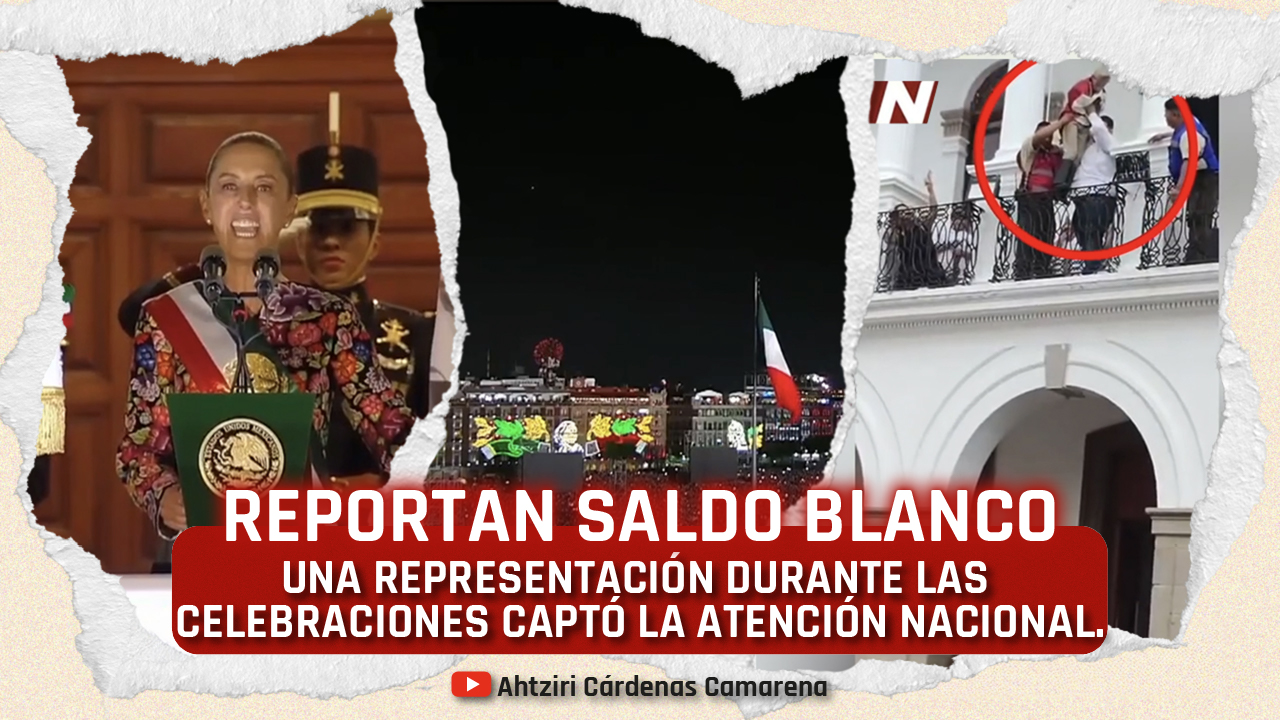
México reportó saldo blanco tras la celebración de las fiestas patrias, pero el panorama no fue el mismo en todas las regiones.
Sinaloa estuvo entre los estados con mayor vigilancia y en Culiacán regresaron los festejos después de dos años. Mientras tanto, en Jalisco, una representación durante las celebraciones captó la atención nacional.
En esta pieza informativa te contamos qué ocurrió durante la noche del Grito en distintos puntos de México.
Mexico reported no major incidents following Independence Day celebrations, but the night unfolded differently across the country.
Sinaloa was among the states with the highest level of security, while celebrations returned to Culiacán after two years. Meanwhile, an unusual scene during festivities in Jalisco captured national attention.
This informational report looks at what happened during the Independence Day celebrations across different parts of Mexico.
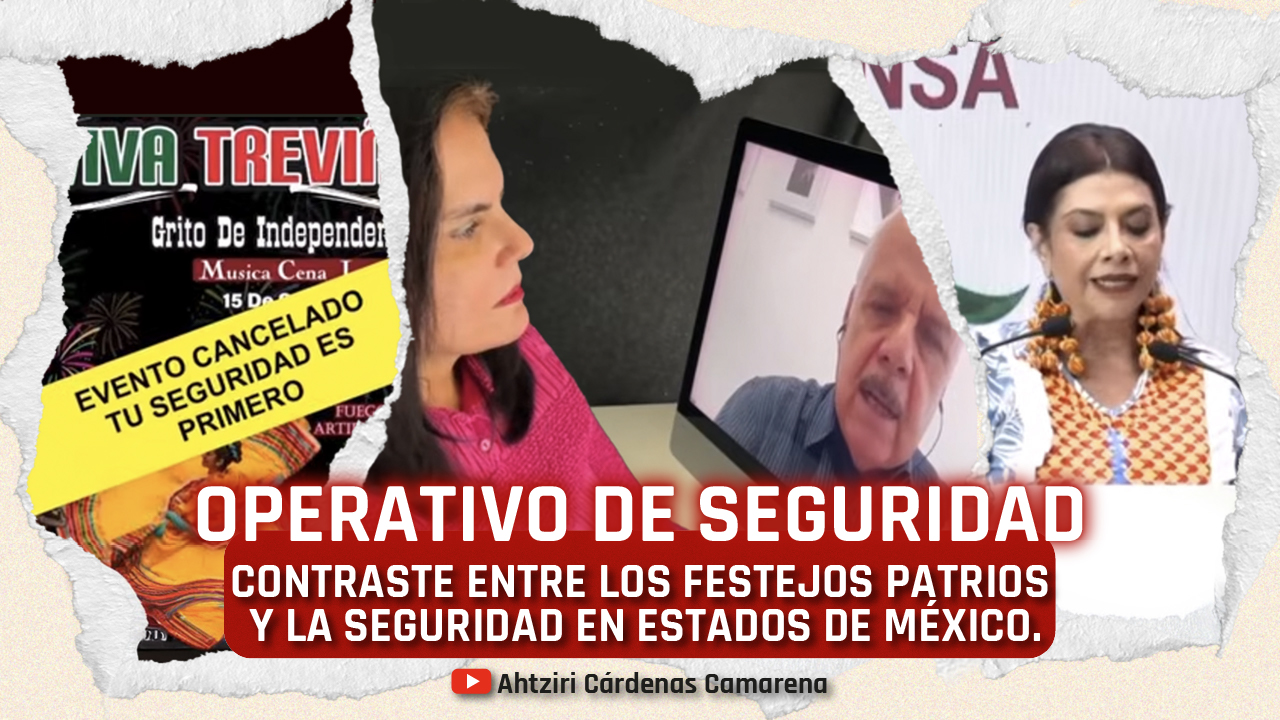
Mientras México espera la ceremonia del Grito de Independencia, el despliegue de seguridad aumenta en distintas regiones del país.
Desde Jalisco, este reporte muestra el contraste entre los festejos patrios y las medidas de seguridad implementadas en diferentes estados de México.
As Mexico prepares to celebrate Independence Day, security operations are being reinforced across different regions of the country.
From Jalisco, this report looks at the contrast between the national celebrations and the security measures being implemented in several Mexican states.
La cancelación de visas estadounidenses a políticos y funcionarios mexicanos vuelve a generar preguntas sobre el alcance y el significado de estas decisiones.
En esta pieza informativa, presentada desde el occidente de México, revisamos el caso de Andy López Beltrán y las distintas interpretaciones que han surgido alrededor de estas medidas.
Una investigación con contexto, testimonios y las preguntas que permanecen abiertas.
The cancellation of U.S. visas for Mexican politicians and public officials is raising new questions about the scope and meaning of these decisions.
In this news report from western Mexico, we examine the case of Andy López Beltrán and the different interpretations surrounding these measures.
An investigative piece with context, interviews and the questions that remain unanswered.